The Future of Chronic Care
Explore the latest technological breakthroughs in treating Diabetes, Heart Disease, and Asthma.

Diabetes Innovations
The Artificial Pancreas: Automated Insulin Delivery (AID)
The ultimate breakthrough for Type 1 Diabetes: A closed-loop system where the glucose monitor automatically tells the insulin pump exactly how much insulin to deliver.
The 'Artificial Pancreas' or Automated Insulin Delivery (AID) system combines a CGM, an insulin pump, and an advanced AI algorithm. The algorithm acts as the brain, constantly reading blood sugar levels and automatically adjusting the background (basal) insulin delivery every 5 minutes. This takes the immense mental burden off patients, allowing them to sleep safely without fear of severe hypoglycemia.
Respiratory (Asthma/COPD)
Smart Inhalers: Breathing Easier with Bluetooth
Bluetooth-enabled inhalers track every dose you take, reminding you if you missed one, and mapping local air quality to warn you of asthma triggers.
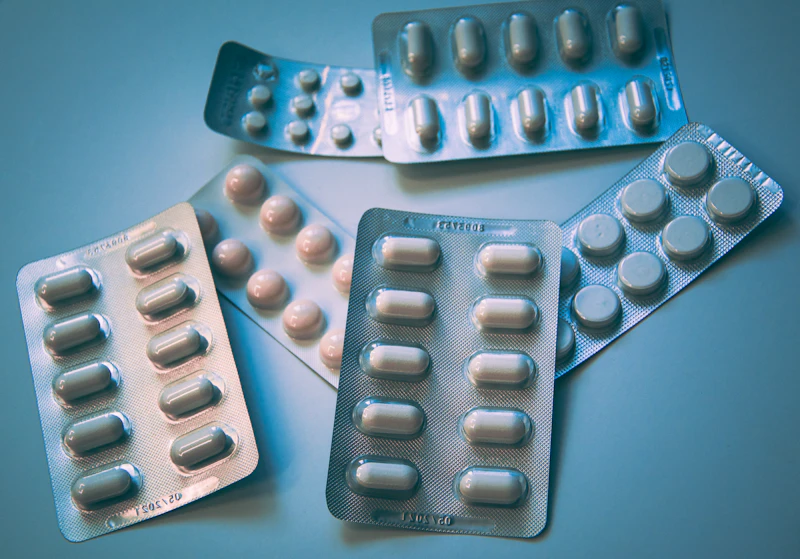
Adherence is the biggest challenge in chronic asthma and COPD. Smart inhalers attach a small sensor to standard inhalers. They record the exact time of medication use and sync with an app. Some advanced apps cross-reference your usage with local weather, pollen counts, and pollution levels to identify what triggers your asthma attacks.
Cardiology (Heart Care)
AI-Powered ECG Smartwatches: Your Personal Cardiologist
Smartwatches can now take clinical-grade ECGs from your wrist, detecting silent arrhythmias like Atrial Fibrillation before they cause a stroke.
Wearable technology has moved beyond counting steps. Devices like the Apple Watch and specialized medical wearables now include FDA and CDSCO approved ECG sensors. They constantly monitor heart rhythms in the background. If they detect an irregular heartbeat (AFib), they instantly alert the user to seek medical help, preventing thousands of strokes annually.

Diabetes Technology
Continuous Glucose Monitors (CGM): The End of Finger Pricks?
New wearable sensors track your blood sugar 24/7 without painful needle pricks. They connect directly to your smartphone.
For decades, managing diabetes meant painful daily finger pricks. Today, Continuous Glucose Monitors (CGMs) like FreeStyle Libre and Dexcom have revolutionized care. A tiny sensor sits on your arm for 14 days, measuring glucose levels in your interstitial fluid. This data is beamed to an app, showing trends and predicting hypos before they happen.

Neurology
Digital Therapeutics: Video Games as Prescriptions for ADHD
The FDA has authorized the first-ever video game treatment to improve attention function in children with ADHD.
Medicine isn't just pills anymore. 'EndeavorRx' is a prescription-only video game designed to target and stimulate the neural systems involved in attention function. Clinical trials showed significant improvements in children with ADHD. This marks a new era of 'Digital Therapeutics' where software is actively treating neurological and cognitive conditions.
Oncology (Cancer)
Liquid Biopsies: Detecting Cancer from a Simple Blood Test
A revolutionary blood test can now detect fragments of tumor DNA long before cancer shows up on traditional scans.
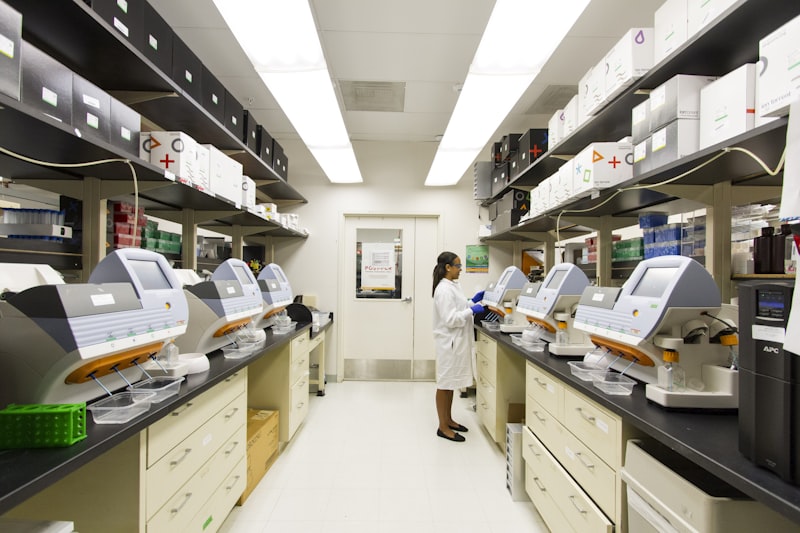
Traditional cancer screening involves invasive tissue biopsies. 'Liquid Biopsy' technology can detect circulating tumor DNA (ctDNA) in a standard blood draw. This means we can detect multiple types of cancer at Stage 1, monitor how well a tumor is responding to chemotherapy in real-time, and catch relapses months earlier than traditional imaging methods.

Preventive Health
Smart Rings: The Silent Health Guardians
Ultra-compact smart rings like Oura are predicting illnesses before symptoms appear by tracking minute changes in body temperature.
Unlike bulky smartwatches, smart rings are worn 24/7. They track heart rate variability, blood oxygen, and basal body temperature with high precision. During the pandemic, studies showed these rings could predict illness up to 3 days before symptoms appeared by detecting tiny spikes in body temperature. They are also revolutionizing sleep tracking and women's health.

Pharmacology
AI in Drug Discovery: Finding Cures in Days, Not Decades
Artificial Intelligence is sifting through millions of chemical combinations to invent new medicines faster than humanly possible.
It typically takes 10-15 years and billions of dollars to bring a new drug to market. AI systems, like Google's AlphaFold, are changing this. By accurately predicting protein structures, AI can simulate how different drugs will bind to diseases in a computer, skipping years of lab work. We are now seeing the very first AI-designed drugs entering human clinical trials.

Ayurveda
Ashwagandha & Adaptogens: Ancient Roots, Modern Science
Modern clinical research is confirming what Ayurveda knew for 3,000 years — adaptogenic herbs like Ashwagandha measurably reduce cortisol and fight stress.
Adaptogens are a class of plants that help the body adapt to stress and exert a normalizing effect. Ashwagandha (Withania somnifera), one of Ayurveda's most celebrated herbs, has been the subject of over 50 modern clinical trials. Studies published in peer-reviewed journals consistently show a 20–30% reduction in serum cortisol levels, improved testosterone in men, better sleep quality, and enhanced athletic performance. Swastik Medicare offers high-potency standardised Ashwagandha extracts.

Ayurveda
Triphala: The Three-Fruit Formula Modern Gastroenterology Is Studying
This 2,000-year-old Ayurvedic formula combining Amla, Haritaki, and Bibhitaki is showing remarkable results in clinical trials for gut health and antioxidant protection.
Triphala is arguably the most widely used Ayurvedic formula in the world. Its three fruits — Amalaki (Indian Gooseberry), Haritaki, and Bibhitaki — together create a powerful synergistic effect. Modern research has validated its role in: improving gut motility and treating chronic constipation, providing potent anti-inflammatory and antioxidant effects (it contains more Vitamin C by weight than most citrus fruits), and demonstrating anti-cancer properties in in-vitro studies. It's a compound that bridges ancient wisdom and modern evidence-based medicine perfectly.

Ayurveda
Panchakarma Detox: What Modern Research Says About Ayurveda's Most Powerful Therapy
Panchakarma — the five classical Ayurvedic purification procedures — is being studied by modern researchers for its impact on metabolic syndrome and inflammation markers.
Panchakarma is Ayurveda's most comprehensive therapeutic program, involving five main procedures: Vamana (emesis), Virechana (purgation), Basti (enema), Nasya (nasal administration), and Raktamokshana (bloodletting). Modern investigations have shown Panchakarma can significantly reduce measurable inflammatory markers like CRP (C-Reactive Protein), improve lipid profiles in metabolic syndrome patients, and reduce toxic accumulation in adipose tissue. While it requires specialised supervision, its results are drawing serious academic interest globally.

Homeopathy
Arnica Montana: The Sports Medicine of Homeopathy
From elite European football clubs to Olympic athletes — Arnica is the most widely used homeopathic remedy in sports for bruising, muscle soreness, and post-surgical recovery.
Arnica montana, a mountain daisy, is the flagship remedy of sports homeopathy. Used topically as a gel or internally as pillules, it is prescribed for bruising, muscle aches following exertion, shock, and post-operative swelling. Numerous professional sports teams in Europe routinely include Arnica in their medical kits. While the placebo debate continues in academia, empirical clinical usage across millions of patients globally makes it one of the world's most trusted natural anti-inflammatories.

Homeopathy
Homeopathy & Allergies: The Rhus Tox and Apis Mellifica Debate
Homeopathic remedies for seasonal allergies, hay fever, and skin reactions have accumulated decades of anecdotal and trial evidence. We examine what science says.
Homeopathy's individualized approach to allergy treatment contrasts sharply with conventional antihistamines. Remedies like Apis Mellifica (from the bee) are used for swelling and allergic reactions; Allium Cepa (from red onion) for runny nose and watery eyes; and Rhus Toxicodendron for skin rashes with itching. A Lancet-published meta-analysis of homeopathic hay fever trials showed results 'consistently better than placebo.' While methodological debates continue, millions of patients in India, France, and Germany rely on these remedies as their first line of allergy defense.

Bioinformatics
AlphaFold 3: How AI Solved the Protein Folding Problem That Stumped Science for 50 Years
Google DeepMind's AlphaFold predicted the 3D structures of virtually every known protein on Earth — a breakthrough that is transforming drug discovery and biology forever.
For 50 years, the 'protein folding problem' was one of biology's greatest mysteries: given a protein's amino acid sequence, how does it fold into its 3D shape? Shape determines function. AlphaFold 2 (2020) and the subsequent AlphaFold 3 (2024) solved this with near-experimental accuracy. The DeepMind team released the structures of over 200 million proteins publicly. This is directly accelerating drug discovery for diseases like malaria, antibiotic resistance, and rare genetic diseases — by allowing researchers to virtually design drugs that 'fit' a target protein's pocket without spending years in the lab.

Bioinformatics
CRISPR-Cas9 in 2025: The Gene Editing Revolution Enters the Clinic
The world's first CRISPR-based medicines have been approved. We are officially in the era of rewriting the genetic source code of human disease.
CRISPR-Cas9 (Clustered Regularly Interspaced Short Palindromic Repeats) is a molecular 'scissors' tool borrowed from bacterial immune systems. In 2023, the FDA approved the first-ever CRISPR therapy — Casgevy — for sickle cell disease and beta-thalassemia. Patients with these life-long genetic conditions were functionally cured in clinical trials. CRISPR programs are now in Phase 2 and Phase 3 trials for conditions like Transthyretin Amyloidosis, certain cancers, and HIV. Bioinformatics tools are critical here — they guide which exact gene sequence to target and predict potential off-target edits to ensure safety.

Bioinformatics
Pharmacogenomics: Why the Same Drug Works Differently in Different People
Your genetic code determines how you metabolize medicines. The new science of pharmacogenomics is moving medicine from 'one size fits all' to precision treatment.
Two patients, same diagnosis, same drug — one is cured, one has a severe adverse reaction. The reason is pharmacogenomics. Your genes code for enzymes (like CYP2D6 and CYP2C19) that metabolize drugs. Genetic variants in these enzymes make some people 'poor metabolizers' (the drug builds to toxic levels) or 'ultra-rapid metabolizers' (the drug clears too fast to be effective). Bioinformatics tools analyze your genome to predict how you'll respond to hundreds of drugs before you even take them, preventing adverse drug reactions which cause thousands of hospitalizations in India annually.
Stay Updated on Health Tech
Get the latest medical innovations and Swastik platform updates delivered straight to your inbox.